On the front line

How Engaging With Local Activities Can Reshape Your Travel Memories
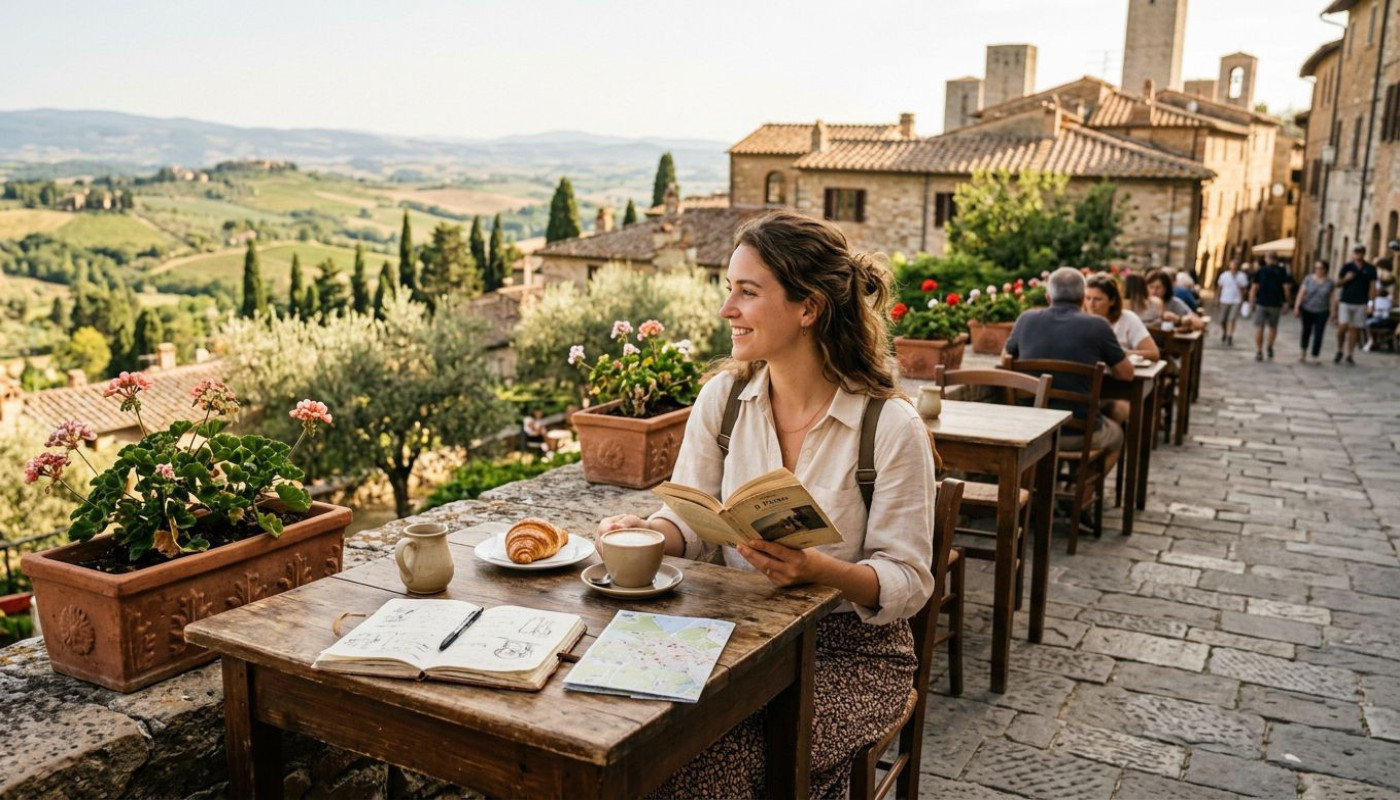
Souvenir inflation is real, and so is the backlash, as more travellers quietly ditch the checklist, skip the “top 10” sprint, and look for something that feels less like content and more like a lived day. The shift is visible in the numbers, too, with tourism boards from Lisbon to Dubrovnik pushing dispersal strategies and small-group experiences to relieve pressure on city centres, and with booking data showing rising demand for guided, hands-on activities. The payoff is not abstract: it rewires what you remember, and why. When “doing” beats “seeing”, memory changes Who really remembers the tenth cathedral? Cognitive psychology has a blunt answer: novelty, emotion, and participation are the ingredients that make memories stick, and passive sightseeing often dilutes all three....
Restoration


Current trends
Why Embracing Slow Travel Transforms Your Entire Itinerary Experience
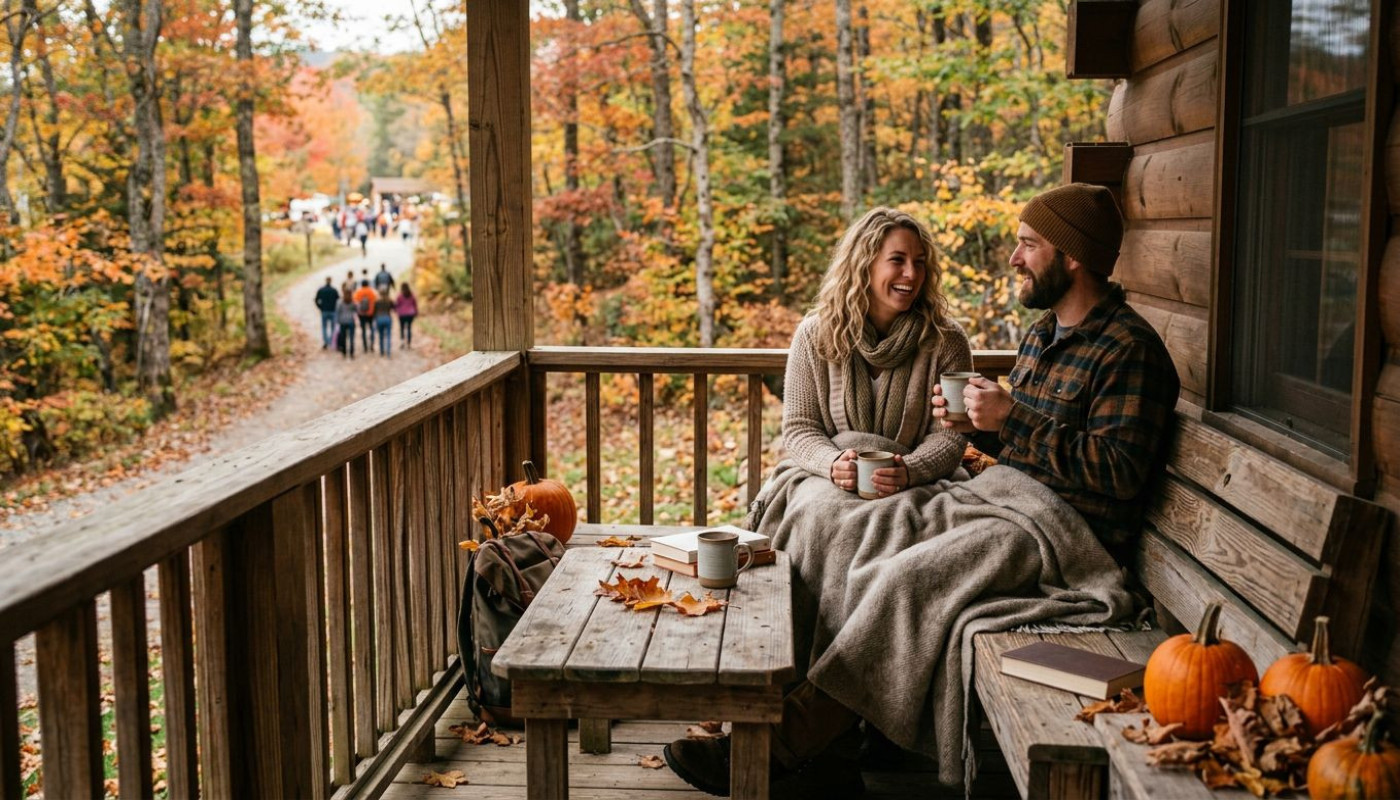
Overbooked schedules are falling out of favor, and for good reason, as more travelers realize that ticking off landmarks can leave them oddly untouched by a place. In 2024, destinations from Venice to Amsterdam have tightened visitor-management measures, while airlines and hotels continue to report strong demand, pushing many people to rethink what “a successful trip” even means. Slow travel, less about moving slowly than traveling deliberately, is emerging as the antidote, reshaping itineraries around time, context, and human-scale encounters. What you miss when you rush How many trips...
Transportation


Destinations

In the news
Why Spontaneous Detours Redefine The Essence Of Travel Itineraries
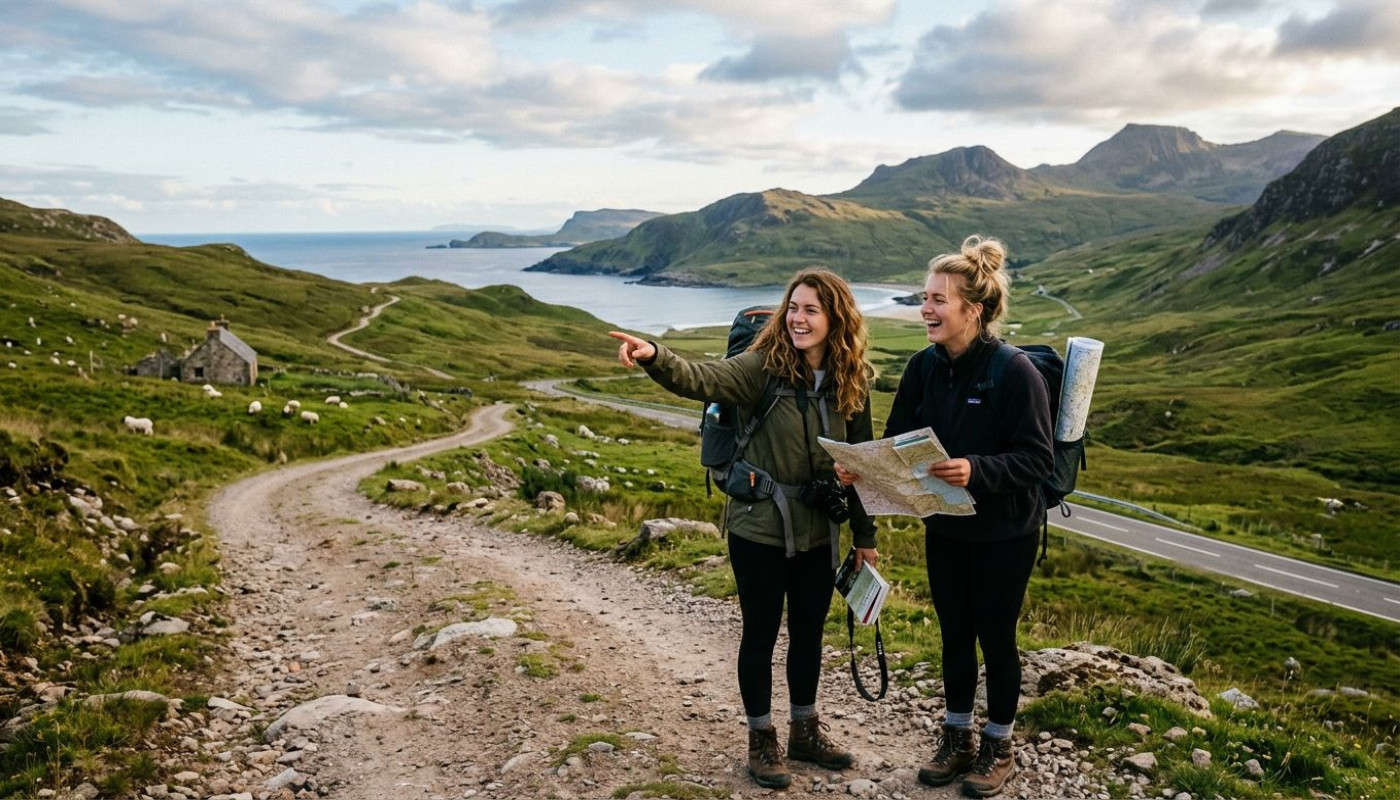
Miss the turn, take the wrong bus, follow a street musician, and suddenly the “plan” is gone, yet the trip finally begins. From Lisbon to Lima, travellers are increasingly designing itineraries that leave room for the unplanned, a shift accelerated by overbooked attractions, overtourism rules, and the post-pandemic appetite for slower days. Data suggests it is not just romanticism: flexibility reduces stress, helps distribute visitor flows, and often delivers higher satisfaction than tightly packed schedules, especially when cities are strained by crowding. The best days rarely follow the plan Who remembers the museum queue? Most people remember the detour. Research on the “peak-end rule” in behavioural psychology has long suggested that we judge experiences largely by their most...
Various

Reimagining Travel Activities For Deeper Cultural Connections
Travel is having a quiet reckoning, and it is not just about flight shame or overtourism. After years of checklist tourism, more travelers are asking a sharper question: what does it take to feel genuinely connected to a place, not merely entertained by it? Recent industry surveys point to a sustained rise in “local-led” experiences, smaller groups, and culture-first itineraries, as cities from Barcelona to Venice tighten rules on crowd-heavy tourism. The shift is reshaping activities on the ground, and it is pushing operators, hosts, and visitors to rethink what “doing” a destination really means. From sightseeing to belonging, what changed? Something has cracked in the old promise of travel: see more, faster, cheaper. The post-pandemic rebound delivered huge volumes back to major...
News